
Mastering vehicle insurance and road safety standards
Managing a vehicle involves more than just driving skills, combining routine vehicle use with road safety awareness. Selecting suitable insurance coverage and understanding driver liability helps owners navigate the complex landscape of financial protection and accident risks while meeting legal responsibilities.

Customized Driver Insurance
Tailoring insurance policies to driver needs
Financial safeguards against unforeseen accidents require a clear understanding of vehicle insurance policy structures. Selecting an appropriate insurance deductible influences monthly insurance premiums significantly.

Comprehensive coverage benefits
Comprehensive vehicle protection extends beyond collision damage to include vehicle theft, vandalism, and weather damage.

Third-party liability limits
Third-party liability coverage for damages caused to others remains a fundamental legal requirement for drivers.
Vehicle usage risks
Impact of vehicle usage on risk assessment

Daily commuting patterns
Daily commuting in high-traffic zones increases exposure to potential collision risks significantly.

Commercial transport duties
Business use of personal cars for deliveries changes the insurance classification and coverage requirements.

Leisure and off-roading
Occasional off-road recreational use requires specific insurance endorsements to cover non-standard driving terrains.

Long-distance travel experiences
Higher annual mileage impacts vehicle depreciation and mechanical maintenance schedules.
Road law compliance
Navigating the legal framework of road traffic
Road-law compliance encompasses strict adherence to vehicle registration requirements and mandatory inspection schedules. Authorities enforce these regulations to ensure that every car meets minimum vehicle safety standards. Failure to maintain valid vehicle documentation can lead to severe penalties, including license suspension. Understanding statutory driving obligations protects drivers from legal entanglements and ensures that insurance policies remain valid during critical incidents on public roads.

Advanced driving safety
Implementing advanced safety protocols
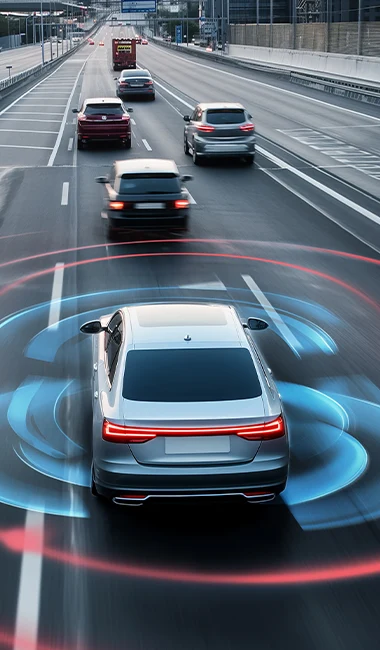
Modern defensive driving combines safety technology with driver awareness to reduce accident rates. Systems like automatic emergency braking act as a second pair of eyes, correcting human error instantly. However, maintaining focus remains paramount, as cabin distractions cause many preventable collisions. Regular driver training helps drivers adapt to evolving vehicle safety features.
Streamlined Insurance Claims
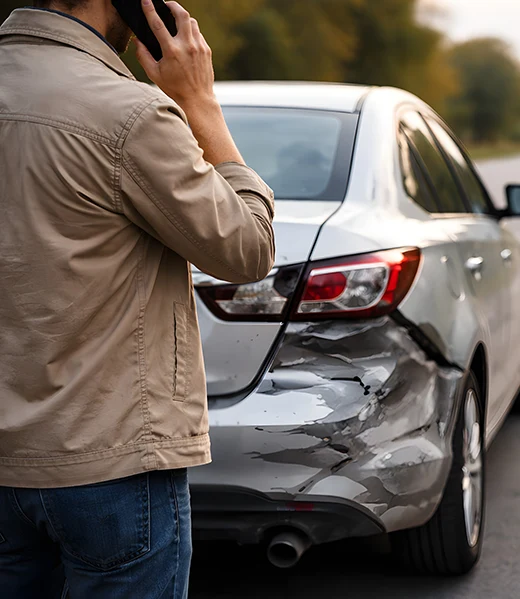
Procedures for efficient claim settlements
Automotive Technology Trends
Evolving trends in automotive technology
Future mobility
Electric vehicle integration
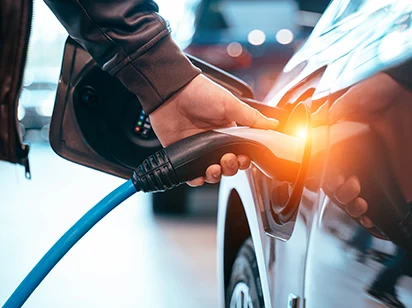
Electric vehicle charging infrastructure availability influences the adoption rate of battery-operated cars in urban environments.
Green energy
Autonomous driving systems
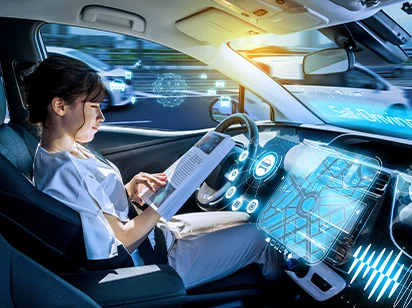
Autonomous driving capabilities promise to revolutionize traffic flow by reducing human input errors significantly.
Smart Tech
Connected car data
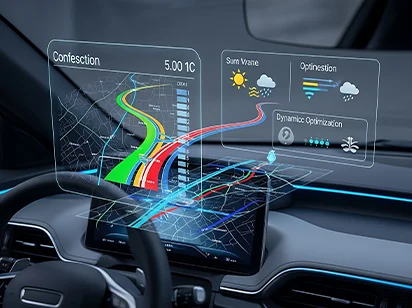
Vehicle telematics devices record driving habits to offer personalized insurance premiums based on actual behavior.
Securing value through informed decisions
Analyzing vehicle coverage options and understanding safety features empowers owners to maximize their investment protection. Preventive maintenance and legal compliance form the bedrock of a trouble-free driving experience. By balancing cost with comprehensive coverage benefits, drivers ensure peace of mind whenever they are behind the wheel.